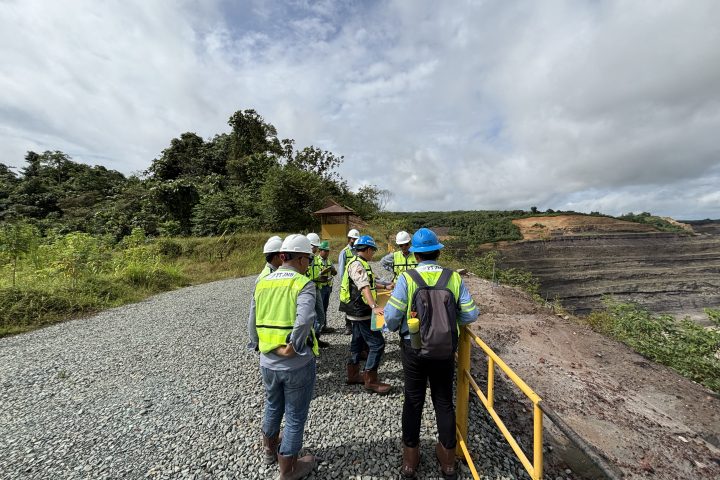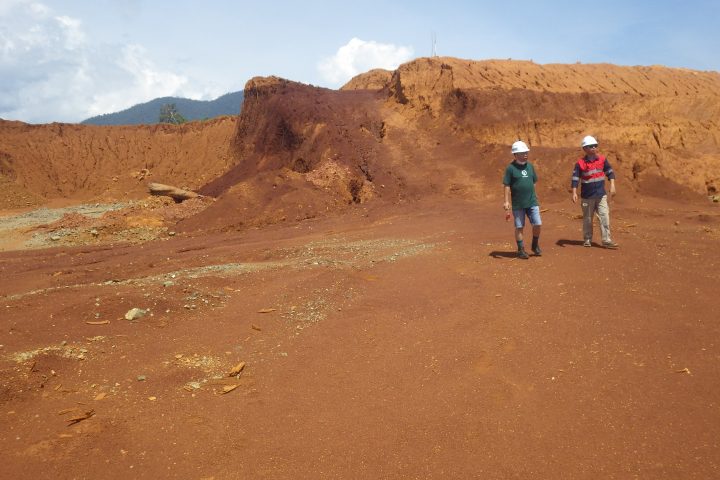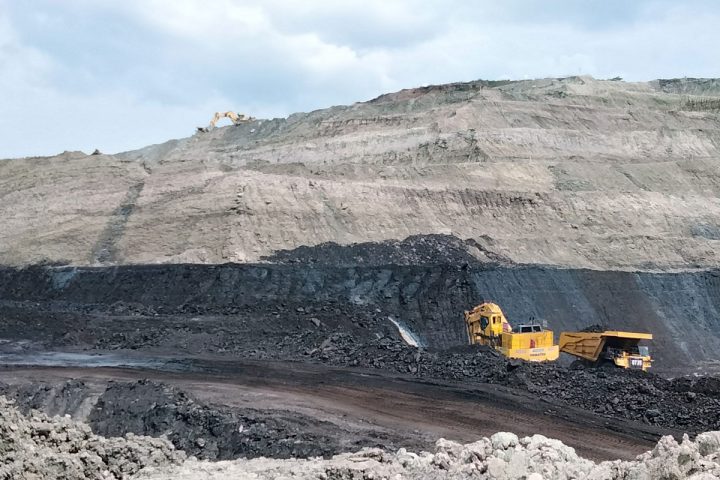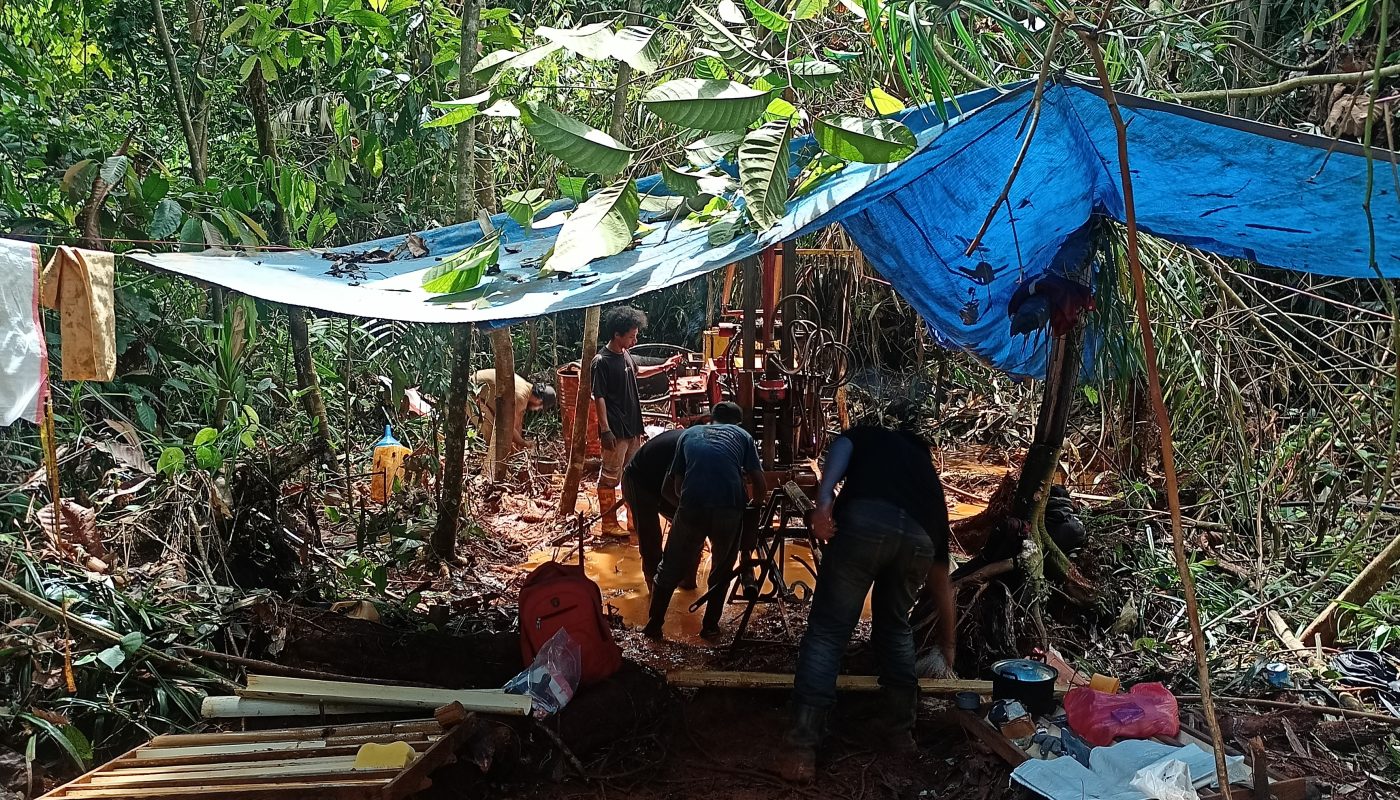
This geotechnical study was conducted to support mine planning and feasibility study development in accordance with good mining practice principles. The study focused on slope stability analysis and material dig-ability assessment to support safe mine design and efficient mining operations.
Slope stability analysis was conducted to determine recommended single and overall slope geometries, including slope angles and heights, based on the Factor of Safety (FoS) and Probability of Failure (PoF) obtained from geotechnical analysis. In addition, the diggability assessment was carried out to classify material excavability based on its physical and mechanical characteristics, supporting the selection of appropriate mining methods.
The study was carried out through integrated investigation and analysis stages. Activities began with a preliminary survey to determine representative drilling locations, followed by supervision of coring activities, including core handling and logging. The collected samples were then tested in the laboratory to determine the physical and mechanical properties of the rock, including unit weight, porosity, degree of saturation, uniaxial compressive strength, elasticity modulus, Poisson’s ratio, and peak and residual shear strength parameters.
The testing results were subsequently used for mining and dump slope stability analyses using the Limit Equilibrium Method (LEM). In addition, the obtained material parameters were utilized in the diggability assessment to classify material characteristics in relation to the planned excavation methods.
The results of this study serve as the basis for technical recommendations regarding stable slope geometry design and material diggability classification to support safe, efficient, and good mining practice–compliant mine planning.